In today’s digital-first world, a strong online presence is the cornerstone of any startup’s success. Your brand is more than just a logo or a tagline. It’s the story you tell, the emotions you evoke, and the trust you build with your audience. Over the years, I’ve had the privilege of working on projects that transformed brands’ digital identities, and I’ve witnessed firsthand the immense value of a well-crafted strategy. One case that stands out is my time as CTO at Glassesgallery, where I spearheaded their digital transformation. This experience not only shaped my understanding of branding but also highlighted the importance of aligning technology, customer experience, and storytelling to create a cohesive digital identity. Let’s explore some actionable branding tips inspired by both my professional journey and insights into the startup ecosystem.
What is startup digital identity?
Startup digital identity is the coherent system of name, visual language, voice, and online presence that signals trust and differentiation before customers experience the product.
Who it is for: early-stage founders, solo builders, and lean teams launching publicly.
What you will learn: essential branding decisions that scale; what to DIY vs outsource; and avoiding rebrand debt later.
TL;DR
- What Crafting a Strong Digital Identity for Startups covers.
- Who it is for and when to use it.
- Practical next steps after reading.
1. Define Your Brand’s Core Values
When I joined Glassesgallery, we weren’t just building a website, we were crafting a brand story that resonated with customers across the globe. The foundation of our digital identity was rooted in our core values: innovation, accessibility, and customer-centricity. These principles shaped everything from the website design to the tone we used in our marketing campaigns.
If you’re a startup, ask yourself: What does your brand stand for? What makes your product or service unique? These answers will serve as a compass, guiding your branding efforts and ensuring consistency across all channels.
2. Prioritize a Seamless Digital Experience
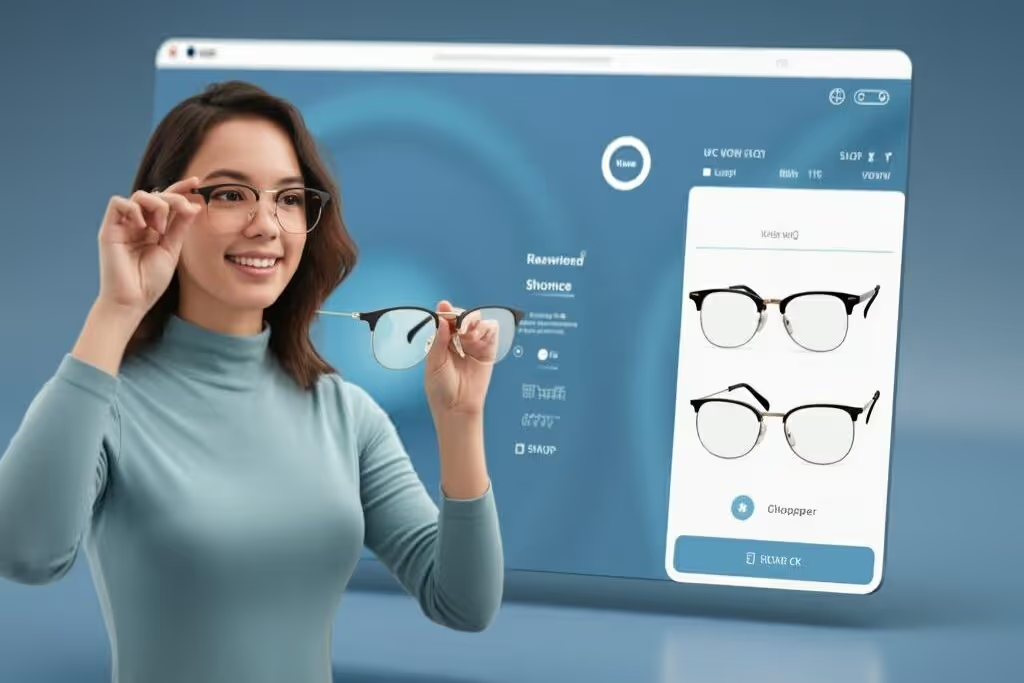
One of the key initiatives I led at Glassesgallery was the integration of augmented reality (AR) technology to help customers try on glasses virtually. This wasn’t just an innovative feature, it became a core part of our brand identity. By seamlessly blending advanced technology with a user-friendly interface, we created a memorable and engaging digital experience that set us apart from competitors.
For startups, this means paying attention to every detail of your digital presence. Is your website easy to navigate? Are your visuals and messaging consistent across platforms? A seamless experience builds trust and keeps customers coming back.
3. Harness the Power of Data
During my tenure at Glassesgallery, we utilized analytics to better understand our customers’ preferences and behaviors. This data-driven approach allowed us to refine our messaging and prioritize features that resonated most with our audience. For instance, we noticed a significant increase in engagement when we personalized recommendations based on browsing history.
Startups should embrace data as a tool for refinement. Whether it’s website traffic, social media engagement, or customer feedback, leveraging analytics can help you make informed decisions and continuously improve your branding strategy.
4. Authenticity as a Differentiator
One of the lessons I’ve learned throughout my career is that people connect with brands that feel human. At Glassesgallery, we shared stories about our design process, featured customer testimonials, and even showcased behind-the-scenes content. These efforts humanized the brand and built a loyal community of customers who felt connected to our journey.
For startups, authenticity is a powerful differentiator. Instead of focusing solely on selling, share your story, celebrate your milestones, and engage authentically with your audience.
Additional detail
5. Innovation and Adaptability
The digital landscape is constantly evolving, and startups need to stay ahead of the curve. At Glassesgallery, we were the first in the Greater China Region to adopt Adobe Commerce Cloud, which allowed us to integrate our e-commerce operations seamlessly with ERP systems. This adaptability not only boosted operational efficiency but also solidified our position as an innovative brand.
Ask yourself: How can your startup leverage new tools or technologies to enhance your brand? Staying adaptable and open to innovation is key to building a lasting digital identity.
Final Thoughts
My experience at Glassesgallery taught me that crafting a strong digital identity goes beyond aesthetics-it’s about creating meaningful connections, embracing innovation, and staying true to your brand’s core values.
Common mistakes (startup branding)
| Mistake | Symptom | Fix |
|---|---|---|
| Logo-first, strategy-last | Pretty mark, unclear positioning | Define audience and promise first |
| Inconsistent social and site voice | Amateur signal | Document minimal voice rules early |
| Copying category clichés | Invisible in market | Lead with specific customer outcome |
| Overbuilding brand before validation | Costly rebrand later | Ship MVP identity, refine with evidence |
| Ignoring accessibility and readability | Weak conversion on site | Test contrast, type scale, and mobile |
FAQ
What is the minimum viable brand for a startup?
Clear positioning sentence, legible logo/wordmark, 2–3 colors, one voice paragraph, and consistent social handles.
When should startups invest in professional brand design?
When fundraising, launching paid acquisition, or entering enterprise sales—whichever comes first.
How does digital identity differ from brand strategy?
Identity is expression; strategy is who you serve and why you win.
Should founders prioritize SEO or brand first?
Together—positioning should drive domain, messaging, and content pillars.
What causes expensive startup rebrands?
Skipping positioning, merging incompatible visual systems, or scaling before naming conflicts surface.
Weekly email with new posts on enterprise AI and how teams ship it.
One email per week. Unsubscribe anytime.