TL;DR
- What Infinity Loops: The Framework Behind Successful Brand Stories covers.
- Who it is for and when to use it.
- Practical next steps after reading.
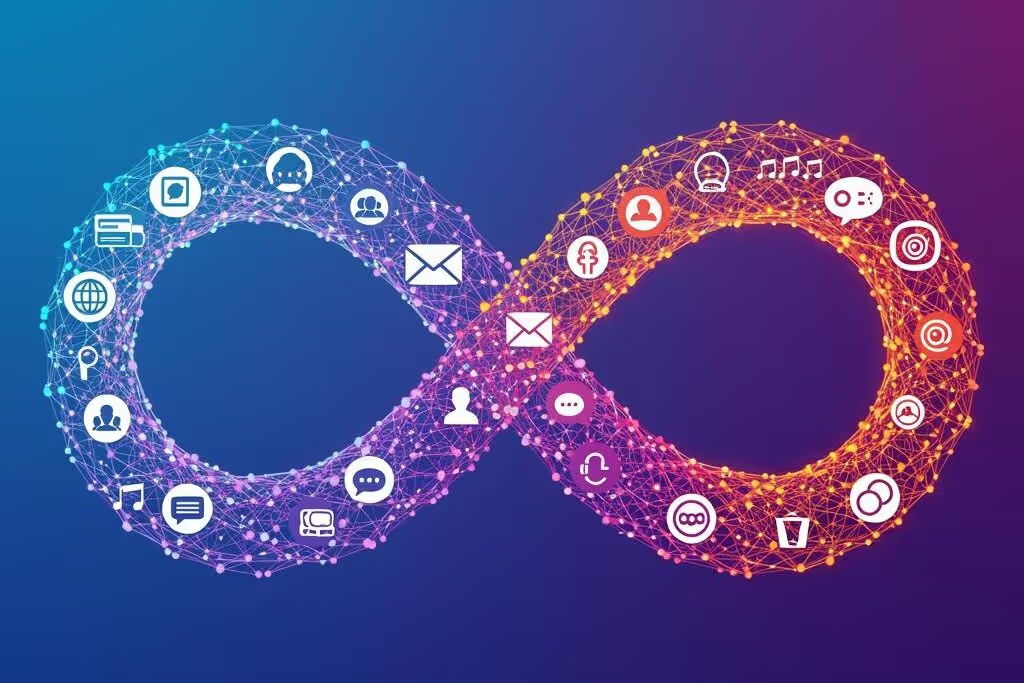
The marketing world has recently embraced the infinity loop as an evolution of the marketing funnel, and a revolutionary way to understand and engage with modern consumers. However, I’d argue that the concept of infinity loops has always existed, at least in the DNA of the most successful brands and campaigns. These brands naturally operate within a framework that continuously engages consumers before, during, and after a purchase, creating an ongoing cycle of interaction, validation, and loyalty.
Let’s explore why infinity loops have always been part of iconic brand journeys and how companies have harnessed this framework to build enduring relationships.
What is the Infinity Loop brand framework?
The Infinity Loop brand framework maps recurring customer journeys—discover, consider, buy, use, advocate—as a continuous story loop where each touchpoint feeds the next, rather than a one-way funnel.
Who it is for: brand strategists, CX leaders, and marketers designing narrative-led growth.
What you will learn: how loop thinking beats linear funnels; story beats that drive advocacy; and operationalizing loops across channels.
Why Infinity Loops Have Always Existed
The essence of the infinity loop lies in the continuous cycle of engagement. This means that rather than ending after a purchase, the customer journey flows back into awareness, consideration, loyalty, and advocacy. Successful brands have always understood that the relationship with the customer doesn’t stop at the point of sale. Instead, they continuously nurture this relationship, ensuring that every interaction-whether through a product experience, marketing campaign, or customer service-is an opportunity to build trust and foster deeper connections.
Take Apple, for instance. The brand has operated within an infinity loop framework for decades. The launch of a new iPhone generates excitement (awareness), invites consumers to explore its features (consideration), makes owning the device feel like a personal milestone (purchase), and encourages users to become advocates by sharing their experience or upgrading to the latest version. Apple’s ecosystem itself, seamlessly integrating devices like the iPhone, iPad, and MacBook, ensures that customers remain within their loop of engagement, loyalty, and advocacy.
Examples of Brands and Campaigns Operating Within Infinity Loops
Here are some examples of infinity loops in brands I have previously worked with:
- Lululemon: Building Communities Beyond Products
Lululemon is a perfect example of a brand that operates within an infinity loop. The company goes beyond selling activewear by fostering a lifestyle centered on wellness, mindfulness, and community. Through in-store yoga sessions, social media engagement, and its ambassador program, Lululemon creates an ongoing cycle of awareness and loyalty. Customers don’t just buy leggings-they become part of a movement. The brand’s omnichannel strategy also reinforces the infinity loop. Whether it’s through their e-commerce platform, in-store experiences, or events, Lululemon ensures that customer engagement is a continuous journey, not a one-time transaction. - Estée Lauder: Personalized Beauty Experiences
Estée Lauder has long operated within an infinity loop by delivering personalized beauty experiences across multiple touchpoints. Its loyalty programs and omnichannel campaigns ensure that customers are consistently engaged, from product discovery to post-purchase care. For instance, Estée Lauder’s use of data analytics to drive personalization allows the brand to recommend products based on a customer’s previous purchases or preferences. This data-driven approach ensures that customers feel seen and valued, encouraging repeat purchases and advocacy. Their campaigns, spanning multiple markets, leverage both traditional and digital channels to keep customers within the loop. - Giant Bicycles: Omnichannel Touchpoints
Giant Bicycles operates globally with a clear infinity loop strategy, focusing on creating seamless omnichannel experiences. By integrating their e-commerce platform with physical stores and offering personalized services like bike fitting and maintenance, the brand keeps customers engaged at every stage of their journey. Post-purchase engagement is also a priority for Giant Bicycles. They encourage customers to join cycling communities, participate in events, and share their experiences online. This continuous interaction builds loyalty and positions Giant as more than just a product provider-it becomes a lifestyle partner. - Langham Hotels: Beyond Guest Stays
Langham Hotels exemplifies how luxury brands can thrive within an infinity loop framework. Their focus on data analytics and global SEO strategies ensures that guests are engaged not only during their stay but also before and after. Langham uses targeted campaigns to re-engage past guests, offering personalized packages based on previous preferences and experiences. Their loyalty program, combined with curated post-stay communications, turns one-time guests into lifelong advocates. By continuously nurturing relationships, Langham Hotels ensures that their customers remain within their brand ecosystem. - DFS (Duty-Free Shopping): Circle Loyalty Program
DFS operates an infinity loop through its Circle loyalty program, which connects customers across their global touchpoints. This program not only encourages repeat purchases but also rewards advocacy through tiered benefits and personalized experiences. By leveraging data from the loyalty program, DFS can tailor marketing campaigns to specific customer preferences, ensuring that engagement remains ongoing. Whether it’s through exclusive offers, personalized recommendations, or omnichannel accessibility, DFS keeps customers within its loop of engagement and loyalty.
How Brands Can Harness the Infinity Loop Framework
For brands looking to operate successfully within an infinity loop framework, the key is to focus on the following:
- Personalization at Every Stage
Use data analytics and AI to understand customer behavior and preferences. Tailor your messaging, recommendations, and services to make every interaction feel relevant and meaningful. - Omnichannel Consistency
Ensure that your brand delivers a seamless experience across all touchpoints, whether it’s online, in-store, or through customer service. Consistency builds trust and keeps customers engaged. - Community Building
Foster a sense of belonging by creating communities around your brand. Whether it’s through events, loyalty programs, or social media engagement, give customers a reason to stay connected. - Post-Purchase Engagement
Don’t let the relationship end after the sale. Follow up with personalized communications, loyalty rewards, and opportunities for advocacy. Customers who feel valued are more likely to become brand ambassadors.
Final Thoughts
The infinity loop isn’t a new concept, it’s always been a part of the most successful brand stories. What has changed is the technology and tools available to brands, allowing them to execute this framework at scale. From Apple’s seamless ecosystem to Lululemon’s community-driven approach, these brands prove that continuous engagement is the key to building lasting relationships with customers.
So, how can your brand operate within an infinity loop? By focusing on personalization, omnichannel consistency, and community building, you can create a cycle of engagement that drives loyalty and advocacy. Let’s connect to discuss how we can integrate these strategies into your business and take your customer engagement to the next level.
Common mistakes (brand story loops)
| Mistake | Symptom | Fix |
|---|---|---|
| Funnel-only measurement | Ignoring advocacy and repeat | Track loop completion and referral |
| Disconnected campaign chapters | No narrative continuity | Define spine story across channels |
| Post-purchase neglect | Broken loop after sale | Invest in onboarding and community |
| Generic hero journey | Forgettable positioning | Anchor loop on customer tension you own |
| Story without operational owners | Pretty deck, no execution | Assign loop stages to teams |
FAQ
How is an infinity loop different from a funnel?
Funnels end at conversion; loops treat advocacy and repeat as fuel for discovery.
What is the core of a strong brand story?
A clear tension, transformation promise, and proof repeated at every loop stage.
Can B2B brands use infinity loops?
Yes—consideration cycles are longer but advocacy and expansion still close the loop.
What metric shows loop health?
Referral rate, repeat purchase, NPS trend, and content sharing from existing customers.
Where do most brands break the loop?
Between use and advocate—missing onboarding and community.
Weekly email with new posts on enterprise AI and how teams ship it.
One email per week. Unsubscribe anytime.