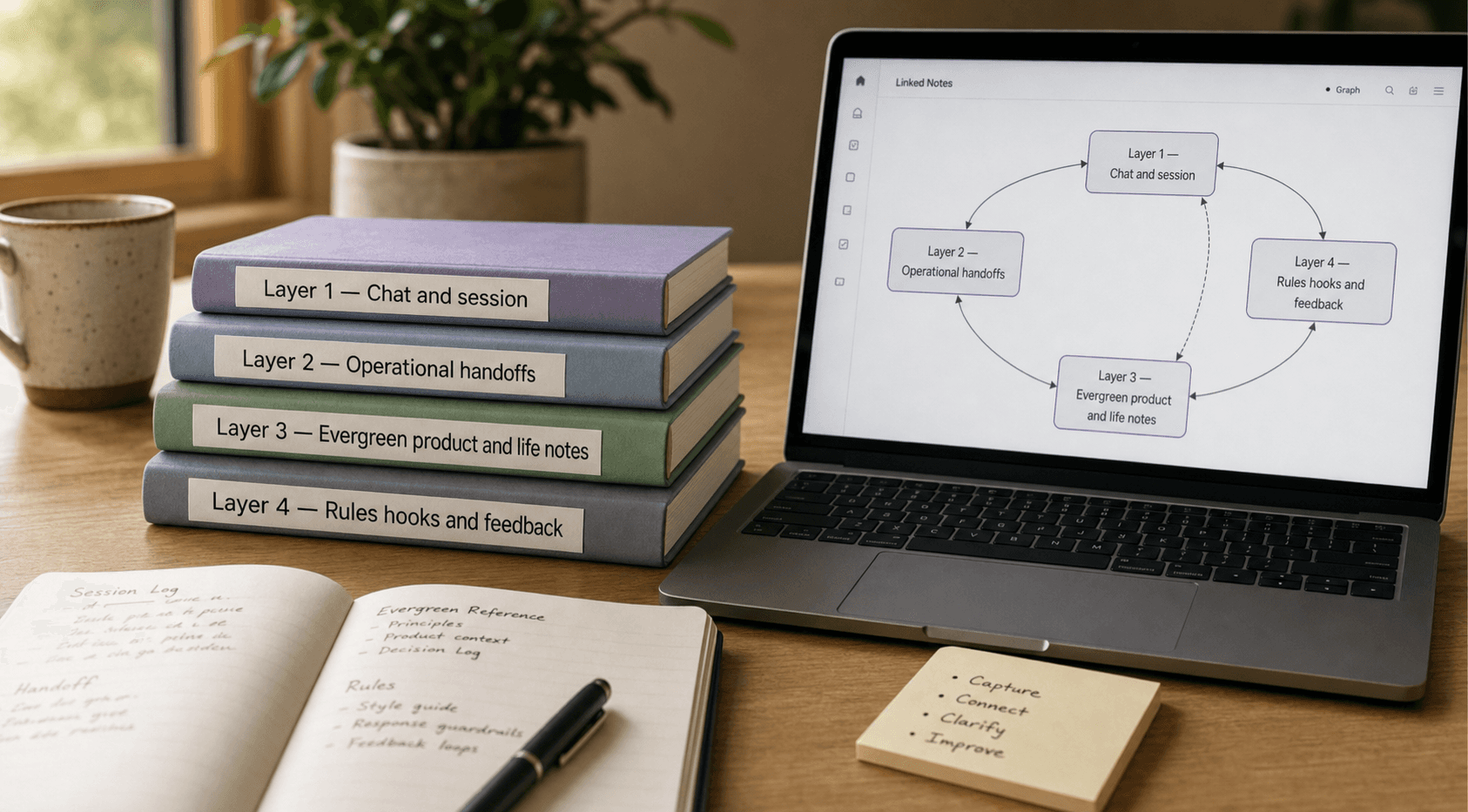
External Memory Series: A Practical Guide to AI Session Continuity
Chat is not memory. This series explains a file-based external brain for builders and leaders—four layers, hooks, and why it beats hoping the model remembers.
Continue reading →

Writing about AI, technology and commercial growth: what worked, what failed, and what helped me move from pilot to production.
Nathan Petralia
I have spent two decades leading digital and commercial programs across APAC. Today I build AI products and leverage AI across consulting, practice building, go-to-market, commercials, delivery governance, and operational leadership.
About me →
Recent Posts
Chat is not memory. This series explains a file-based external brain for builders and leaders—four layers, hooks, and why it beats hoping the model remembers.
Continue reading →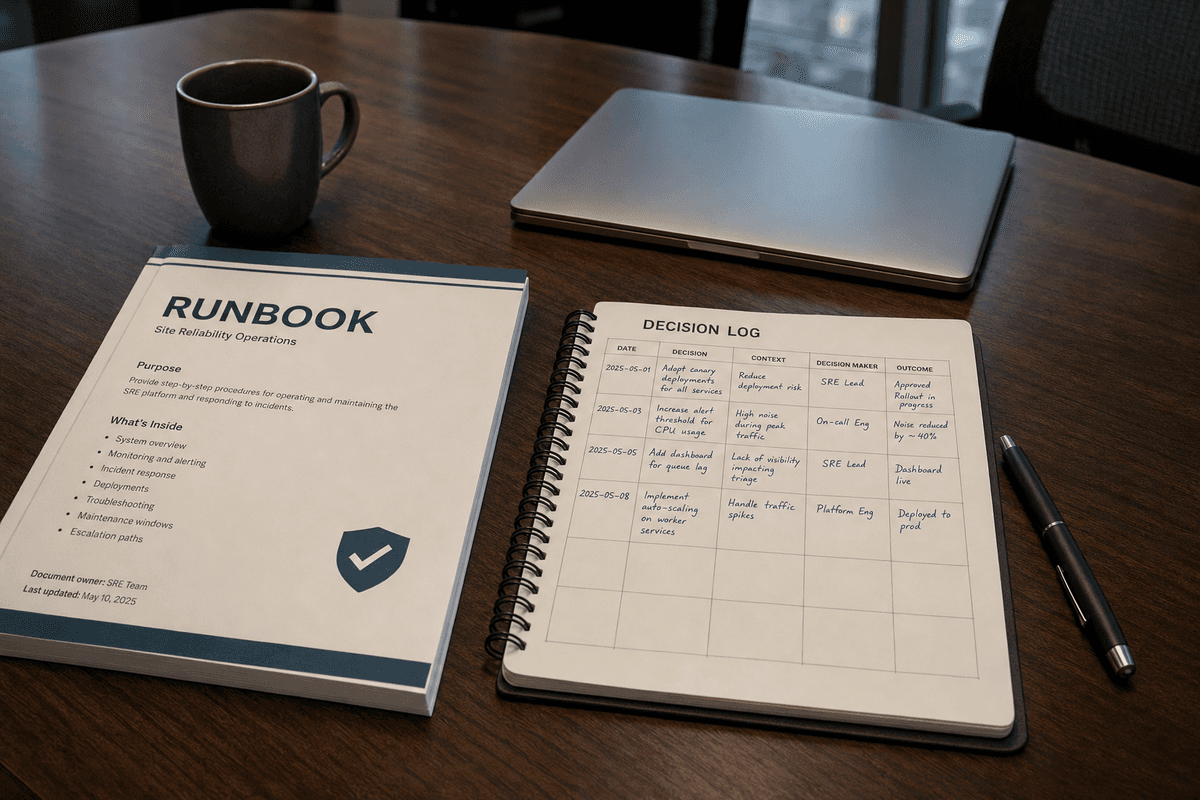
Chat memory is opaque and ephemeral. Deliberate files give audit trails, solo-shipping continuity, team handoffs, and survival when models or tools change.
Continue reading →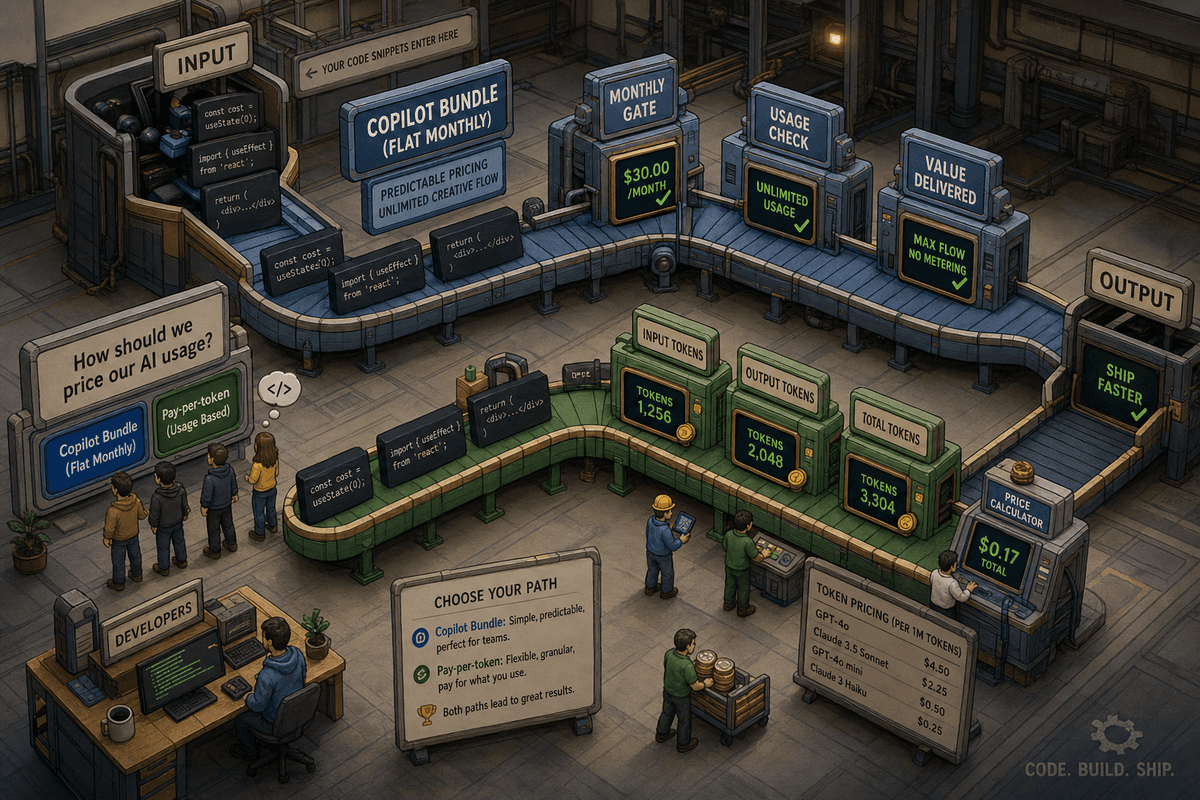
GitHub Copilot's new token-based pricing changes everything. Here's what it actually costs compared to OpenRouter and third-party relays when you code extensively.
Continue reading →
The same three-layer memory stack used for shipping code works for strategic work, client engagements, and cross-tool AI—short chat, operational handoffs, evergreen notes, and explicit feedback.
Continue reading →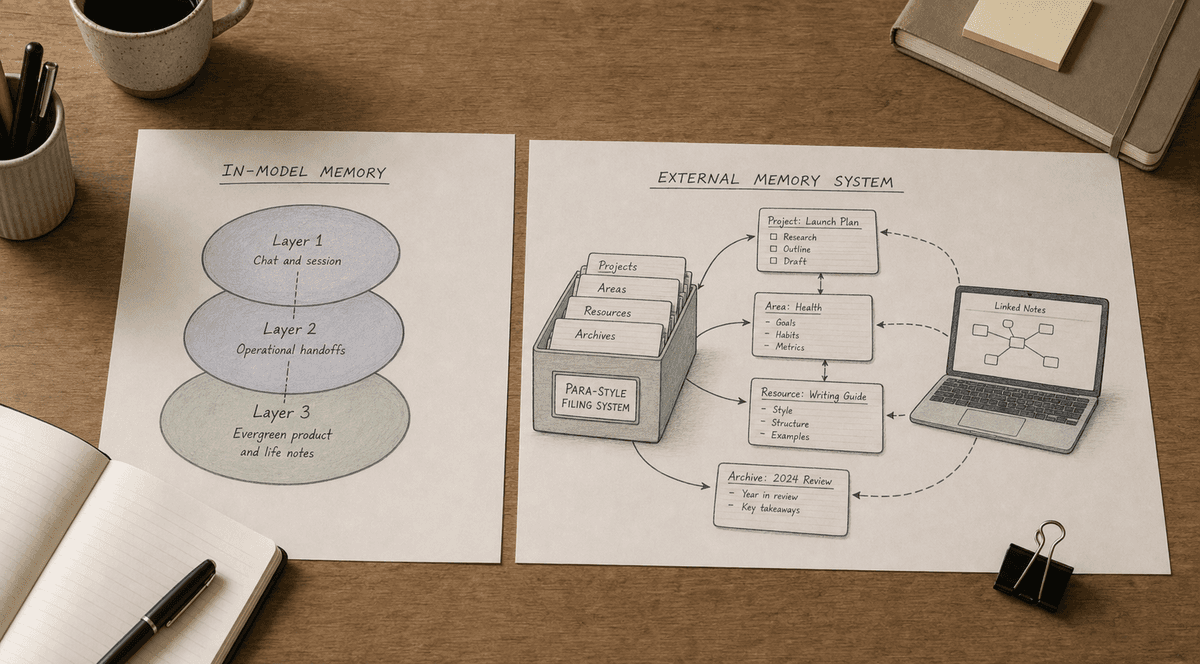
The popular STM / LTM / feedback diagram optimizes in-model memory. A file-based external brain optimizes audit, handoff, and tool churn. Here is when each design wins—and why I chose files.
Continue reading →
I wanted a clean weekly digest for petralian.com without paying for RSS automations. This is the exact architecture we implemented, the issues we hit, and the code patterns that made it reliable.
Continue reading →
Chat context is not memory. A three-layer file system—session, operational, evergreen—plus hooks and git automation is how I keep production codebases coherent across hundreds of agent sessions.
Continue reading →
A complete walkthrough of every Lighthouse bottleneck on a Next.js 16 Vercel site — TBT from 3,020ms to 20ms, LCP from 3.0s to 1.7s — including the config options that don't exist in Next.js 16 and will silently break your build.
Continue reading →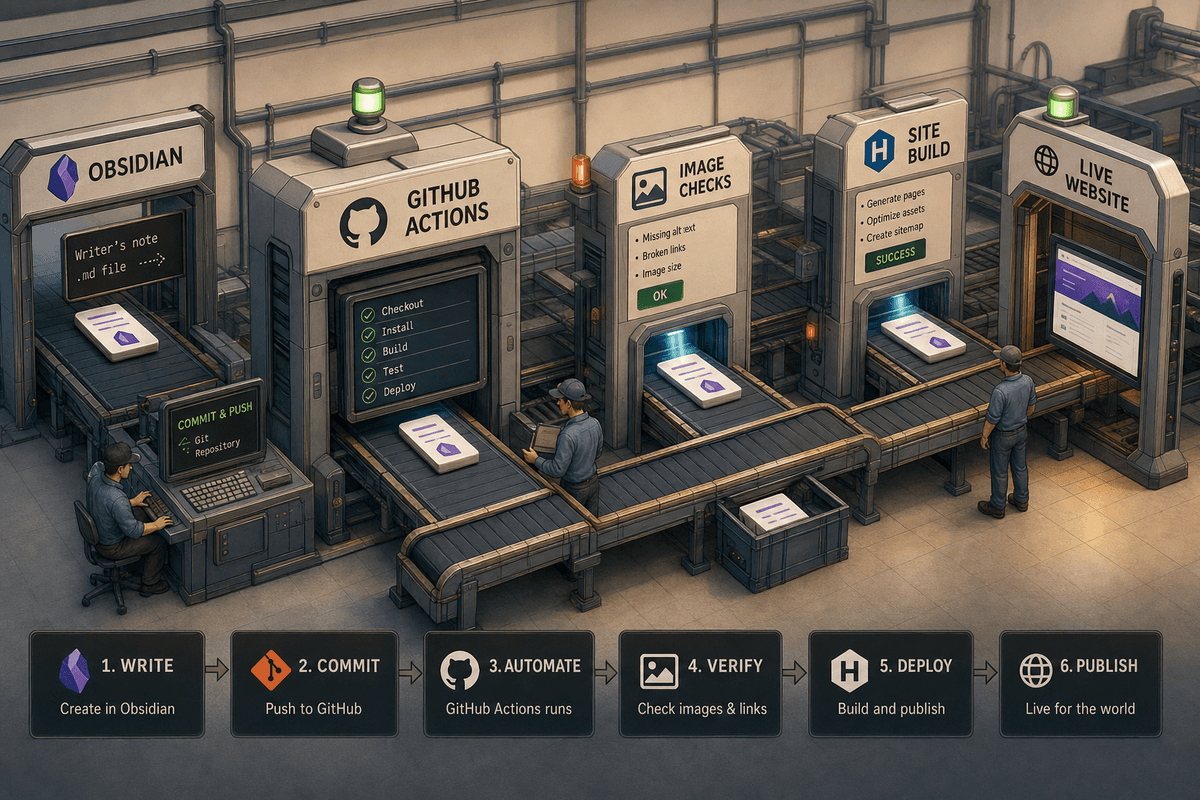
A practical way to move from writing in Obsidian to publishing on a live site without copy-paste, manual uploads, or brittle one-off scripts.
Continue reading →